
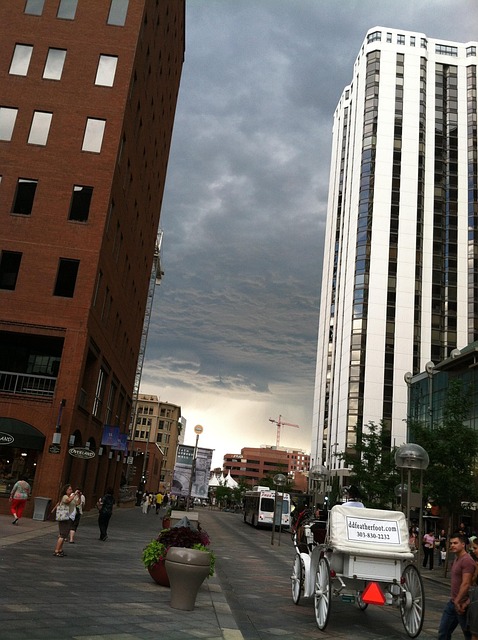
Commercial Mold Remediation Denver presents unique challenges due to high local humidity. Key steps include: early detection, proactive measures like optimal humidity control, immediate leak repair, regular inspections, and specialized equipment for thorough scanning. In case of water damage, prompt engagement of specialists for decontamination and drying is vital to prevent mold recurrence. Post-removal, sanitation with non-toxic agents ensures spore elimination, while proactive practices mitigate future outbreaks.
In the bustling landscape of Denver, CO, where vibrant businesses thrive, a silent threat can lurk within walls and hidden corners—mold. This insidious growth, often unseen, poses significant risks to both commercial properties and their occupants. Prompt action is crucial when mold is suspected, as it may indicate water damage or poor ventilation, leading to health issues and structural degradation. Commercial Mold Remediation Denver offers a comprehensive solution, utilizing advanced techniques and expertise to address and prevent these problems effectively. Our article delves into the intricacies of mold inspection, its potential impacts, and why professional removal is essential for a healthier, more prosperous Denver business environment.
- Understanding Mold Growth in Commercial Spaces: Denver CO
- The Step-by-Step Guide to Mold Inspection: Commercial Remediation
- Effective Commercial Mold Removal Techniques in Denver
Understanding Mold Growth in Commercial Spaces: Denver CO

Mold growth in commercial spaces is a complex issue that demands meticulous attention, especially in the vibrant city of Denver, Colorado. With its unique climate and environmental factors, Denver experiences high moisture levels during certain times of the year, creating an ideal environment for mold and mildew to flourish. This presents significant challenges for property managers, facility owners, and occupants alike. Understanding mold’s growth patterns is crucial for effective prevention and subsequent remediation, especially in large-scale commercial settings.
Commercial spaces, with their diverse environments—from offices and warehouses to hospitals and schools—can harbor hidden mold problems. Denver’s climate further complicates matters, as excessive humidity and water leaks can quickly lead to moisture buildup, a prime condition for mold growth. Research indicates that up to 1 in 3 buildings in the United States may suffer from some form of water intrusion, which, if left unaddressed, can result in severe mold issues within 24-48 hours. This underlines the urgency for proactive measures and regular inspections. Commercial Mold Remediation Denver professionals emphasize that early detection is key to minimizing damage and health risks associated with mold exposure.
Mildew growth prevention tips include maintaining optimal indoor humidity levels (between 30% and 50%), promptly addressing water leaks, and ensuring adequate ventilation in all areas. Regular visual inspections can help identify potential moisture problems before they escalate. In the event of water damage, prompt action is crucial. Commercial restoration specialists should be engaged to assess and implement effective mold restoration after water damage protocols. This process involves removing contaminated materials, decontaminating affected areas, and drying structures thoroughly to prevent mold re-growth. By following these practices, Denver’s commercial property stakeholders can create healthier, safer environments for their occupants and reduce the costs associated with extensive mold remediation.
The Step-by-Step Guide to Mold Inspection: Commercial Remediation

A successful commercial mold remediation Denver starts with a meticulous inspection process, crucial for identifying the extent of the mold issue and ensuring safe, effective removal. This step-by-step guide provides expert advice on navigating the complex landscape of mold inspection in commercial settings. First, assess the affected area thoroughly, paying close attention to visible signs of mold growth, often indicated by discolored spots or musty odors. In Denver’s climate, flooded basements are a common source, requiring prompt action. Utilize specialized tools like moisture meters and thermal imaging cameras for a comprehensive scan, as these tools can reveal hidden water leaks and areas with elevated humidity levels—hotbeds for mold development.
Next, isolate the affected zone to prevent cross-contamination, a critical safety measure in safe mold cleanup Denver. Don appropriate personal protective equipment (PPE), including goggles, gloves, and air purifying respirators, designed to protect against mold spores. Document the inspection findings meticulously, noting the type and extent of mold growth, the source of moisture, and any potential contributing factors. This data is invaluable for developing a tailored remediation plan. For instance, knowledge of specific mold types helps determine the best strategies for their removal and prevents recurrence.
Once the inspection is complete, a comprehensive plan should address not only immediate mold removal but also long-term solutions to prevent future outbreaks. Commercial mold remediation Denver professionals employ various techniques, from physical removal and encapsulation to anti-mold treatments. Ensure that the chosen methods align with industry standards and are suitable for the unique challenges posed by your property. Regular monitoring after cleanup is essential to verify the effectiveness of the remediation and detect any lingering mold issues, ensuring a safe and healthy environment for Denver businesses and their occupants.
Effective Commercial Mold Removal Techniques in Denver

Mold inspection and removal in commercial settings require specialized techniques tailored to Denver’s unique challenges, including frequent fluctuations in weather and high humidity levels. Effective commercial mold remediation Denver involves a multi-step process that starts with identifying hidden moisture sources and addressing them immediately. Professional mold cleaning specialists in Denver utilize advanced equipment such as moisture meters, thermal imaging cameras, and air quality monitors to pinpoint areas of water intrusion or excessive humidity, which are the primary drivers of mold growth.
Once hidden moisture is identified, the next phase involves containing and removing the affected materials. This process includes setting up barriers to prevent cross-contamination, removing porous materials like drywall or insulation that cannot be adequately dried, and employing industrial-strength dehumidifiers to reduce indoor humidity levels below 50%. It’s important to note that proper containment and drying times can vary significantly depending on the extent of water damage, which directly impacts mold remediation cost estimates Denver residents may encounter. According to industry standards, visible mold growth should not appear for at least 48 hours after a water event to minimize health risks associated with mold exposure.
Following containment and removal, commercial mold remediation in Denver involves sanitizing surfaces and restoring affected areas. Professional specialists use non-toxic cleaning agents to eradicate any remaining mold spores, ensuring a safe environment for employees and occupants. To prevent mold growth indoors, property managers should implement proactive measures like regularly inspecting for water leaks or condensation issues, improving ventilation systems, maintaining appropriate indoor humidity levels (ideally between 30-50%), and promptly addressing any moisture problems before they escalate. Regular inspections can help identify potential issues early on, minimizing damage and associated remediation costs in the long term.
In conclusion, this article offers a comprehensive guide to addressing mold issues in commercial spaces through Commercial Mold Remediation Denver. By understanding mold growth dynamics and implementing effective inspection and removal techniques, property managers and occupants can mitigate health risks and preserve the integrity of their buildings. Key insights include recognizing potential sources of moisture, conducting thorough inspections, utilizing specialized equipment for removal, and adhering to strict post-remediation verification protocols. These practices, grounded in expert knowledge, ensure a systematic approach to managing mold, fostering healthier and safer working environments across Denver’s commercial landscape.