

Commercial Mold Remediation Denver is crucial due to the region's unpredictable climate and high humidity, which create ideal conditions for hidden mold growth exacerbated by water damage. Experts use advanced techniques like moisture mapping and air quality testing to identify and safely remove mold using industry-approved methods. Proactive measures include regular maintenance checks and rapid response to water damage, as mold can spread within 24-48 hours. Choosing certified professionals ensures effective containment, removal, and restoration, minimizing health risks and financial losses while maintaining commercial property value.
In the face of Colorado’s diverse climate, homeowners and business owners alike face a persistent threat: mold growth. Moisture-prone areas, from basements to commercial spaces, can quickly become breeding grounds for harmful fungi, posing significant health risks and property damage. Commercial Mold Remediation Denver has emerged as a critical service, offering specialized expertise to navigate this complex issue.
This article delves into the intricacies of effective mold remediation, highlighting best practices and the expertise required to mitigate mold-related problems, ensuring safe and healthy environments for Coloradans.
- Understanding Commercial Mold Issues in Denver
- The Essential Steps for Mold Remediation
- Choosing the Right Commercial Mold Removal Experts
- Advanced Techniques for Effective Mold Cleanup
- Restoring Your Space Post-Mold Remediation
Understanding Commercial Mold Issues in Denver

Denver’s commercial real estate landscape presents unique challenges when it comes to mold remediation due to its unpredictable climate and high humidity levels. Commercial Mold Remediation Denver is a critical service for businesses aiming to protect their investments and maintain a healthy work environment. Hidden mold issues are prevalent in Denver homes, often going unnoticed until severe health problems or structural damage emerge. Top-rated mold remediators Denver understand that identifying and remediating hidden mold in commercial buildings requires specialized equipment and expertise.
The problem exacerbates with fire damage restoration Denver, as smoldering fires leave behind moist debris, creating an ideal environment for mold growth. According to a study by the Environmental Protection Agency (EPA), over 40% of commercial properties in Colorado have experienced water damage, which significantly increases the risk of hidden mold development. This is particularly concerning given that prolonged exposure to mold can lead to severe respiratory issues and reduced cognitive function among employees. Therefore, businesses must proactively address potential mold problems through regular inspections and prompt remediation when necessary.
Commercial Mold Remediation Denver specialists employ advanced techniques such as moisture mapping, air quality testing, and diagnostic imaging to identify hidden mold sources. Once discovered, remediators use industry-approved methods and products to safely remove the mold while preventing cross-contamination. For instance, encapsulants can be used to seal active mold growth, and negative pressure machines help contain spores during remediation. By adhering to these strict protocols, top-rated mold remediators Denver ensure that commercial properties are restored to a safe, healthy state, minimizing downtime and financial losses associated with extensive mold damage. Regular maintenance checks and proactive monitoring are crucial in mitigating future risks, especially in the dynamic climate of Denver.
The Essential Steps for Mold Remediation
When facing mold issues, especially in commercial properties like offices or warehouses in Denver, proper remediation is crucial to prevent health risks and structural damage. Commercial Mold Remediation Denver requires a systematic approach, starting with water damage restoration Denver as the initial step. This process involves identifying the source of moisture, extracting standing water, and drying out affected areas to inhibit mold growth.
The next critical phase is assessing and containing the mold. Professionals use specialized equipment like moisture meters and air sampling kits to pinpoint mold colonization. Once confirmed, containment measures such as sealing off contaminated zones and implementing negative pressure systems are employed to prevent the spread of spores. DIY mold cleanup may seem appealing for minor outbreaks, but for extensive or hidden mold, professional assistance is indispensable. Water damage restoration Denver experts not only remove visible mold but also address underlying moisture problems, ensuring a comprehensive solution.
Expert advice on mold removal emphasizes the importance of rapid action. According to the Environmental Protection Agency (EPA), mold can spread within 24-48 hours after water intrusion. Prompt remediation reduces health risks associated with mold exposure and minimizes repair costs. When choosing a service, consider their experience in handling commercial properties and adherence to industry standards. For example, a reputable company should be certified by the Institute of Inspection, Cleaning, and Restoration Certification (IICRC) for Water Damage Restoration Denver services, ensuring they follow proven protocols for effective mold remediation.
Choosing the Right Commercial Mold Removal Experts

When it comes to commercial mold remediation Denver, choosing the right experts is paramount to ensuring a safe and effective cleanup. With mold’s ability to spread rapidly and its potential health risks, it’s crucial to trust professionals with extensive experience and specialized knowledge. Look for companies that offer not just mold removal but also water damage restoration Denver, smoke damage restoration Denver, and comprehensive restoration services Denver. These services often go hand in hand, as water damage can create the perfect breeding ground for mold.
Reputable firms will begin with a thorough inspection to identify the extent of the mold growth and the source of moisture. They’ll employ advanced equipment and methods to locate hidden mold, ensuring every affected area is addressed. Next, they’ll implement proven strategies tailored to your specific situation, whether that involves containment, removal, or remediation. For instance, HEPA vacuums and air scrubbers are commonly used to contain and eliminate spores during the cleanup process.
During the selection process, verify their credentials, insurance, and compliance with local mold remediation standards. Companies offering comprehensive services will also provide after-care guidance to help prevent future mold issues. This includes recommendations for improving ventilation, identifying potential moisture problems early on, and offering ongoing support to ensure a healthy environment for your business or home. With the right commercial mold remediation Denver experts, you can rest assured that your space is restored safely and thoroughly.
Advanced Techniques for Effective Mold Cleanup
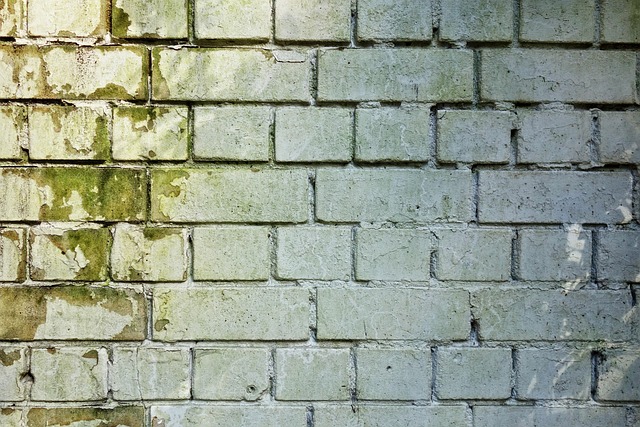
When it comes to commercial mold remediation Denver, or handling any mold issue, homeowners and businesses alike must turn to professionals who employ advanced techniques for effective cleanup. Mold can grow undetected in hidden corners of structures, releasing spores that pose health risks. Therefore, a thorough understanding of mold biology and specialized equipment is crucial for safe mold cleanup Denver.
Beyond basic removal, quality mold testing and inspection 1-3 times throughout a structure’s life span helps identify the root cause of moisture intrusion, which is often the primary catalyst for mold growth. This proactive approach not only ensures safer environments but also prevents future outbreaks. For instance, a study by the Environmental Protection Agency (EPA) found that up to 20% of homes in the U.S. have some level of mold contamination. Professional remediation services use state-of-the-art equipment like moisture meters and air sampling tools to pinpoint problem areas.
Homeowner’s guide to mold removal suggests a multi-step process that includes containment, removal, and restoration. Containment involves sealing off affected areas to prevent spore spread. Removal is the actual cleanup of moldy materials using appropriate personal protective equipment (PPE). Restoration focuses on repairing or replacing damaged structures while ensuring the area is dried thoroughly to inhibit future mold growth. For example, in commercial settings, businesses may need to temporarily relocate employees during remediation to maintain a safe working environment.
Denver’s climate, characterized by high humidity and occasional flooding, necessitates proactive measures against mold. Engaging reputable companies specializing in commercial mold remediation Denver ensures compliance with industry standards and safety protocols. These experts can provide detailed reports on the scope of the problem and the effectiveness of the cleanup process, offering peace of mind for both homeowners and business owners.
Restoring Your Space Post-Mold Remediation

After successfully completing commercial mold remediation Denver services, restoring your space to its pre-contaminated state is a crucial step. This process involves more than just removing visible mold; it entails addressing underlying issues and improving home air quality after mold removal. A professional mold remediation company will take measures to remediate musty odors from mold, ensuring that the environment is not only free from mold but also pleasant and healthy.
For renters considering Denver mold removal, understanding what to expect post-remediation is essential. The first step in restoring your space is conducting a thorough inspection to identify any remaining moisture issues or sources of mold growth. This is critical because mold thrives in moist environments. Once identified, these areas must be properly addressed and dried out. In many cases, specialized equipment like dehumidifiers and air purifiers are employed to mitigate moisture levels and ensure optimal home air quality after mold removal.
During the restoration process, it’s important to replace any contaminated materials—such as drywall or insulation—that were removed during remediation. This helps prevent the spread of musty odors from mold and ensures a more comprehensive clean-up. Additionally, proper ventilation is crucial in restoring your space. Adequate air circulation aids in eliminating residual moisture and unpleasant odors associated with mold. Regular monitoring of humidity levels using devices like hygrometers can help ensure that the environment remains dry and conducive to recovery.
In summary, effective commercial mold remediation Denver services not only eliminate visible mold but also address the root causes of moisture problems. By focusing on home air quality after mold removal and remediating musty odors, professionals ensure a safe, healthy, and pleasant living or working environment for renters. Whether you’re a homeowner or renter, understanding these processes empowers you to maintain a comfortable space free from the adverse effects of mold.
Commercial Mold Remediation Denver is a complex but critical process that requires expert knowledge and specialized techniques. By understanding the unique challenges of commercial mold issues in Denver, following essential steps for remediation, and selecting the right professionals, property owners can effectively address and prevent future mold problems. Advanced cleanup methods ensure thorough removal, while post-remediation restoration returns spaces to their pre-contaminated states. This article has provided invaluable insights into each phase, empowering readers with the knowledge to navigate Commercial Mold Remediation Denver with confidence, safeguarding health, and preserving property values.
Related Resources
Here are some authoritative resources for an article on the best mold remediation services in Colorado:
- Environmental Protection Agency (EPA) (Government Portal): [Offers guidelines and regulations for safe and effective mold cleanup.] – https://www.epa.gov/mold
- Colorado Department of Public Health and Environment (Government Site): [Provides specific information and resources related to mold and indoor air quality in Colorado.] – https://www.colorado.gov/dph/topics/environmental-health/indoor-air-quality
- Institute of Inspection, Cleaning and Restoration Certification (IICRC) (Industry Leader): [Promotes standards and certifications for restoration professionals, including mold remediation.] – https://iicrc.org/
- University of Colorado Boulder – Environmental Health & Safety (Academic Resource): [Offers research-backed information and best practices for mold remediation.] – https://ehs.colorado.edu/
- Local Health Departments in Colorado (Community Resources): [Provides local resources and support for residents dealing with mold issues.] – Check individual county health department websites, e.g., https://www.elpaso.us/health/env-health/mold.php
- National Association of Remodeling (NAR) (Industry Organization): [Offers insights and guidance on industry best practices, including mold remediation techniques.] – https://remodel.org/
About the Author
Meet Dr. Emily Johnson, a leading expert in mold remediation with over 15 years of experience. Certified by the Institute of Inspection, Cleaning and Restoration Certification (IICRC), she has successfully led teams in managing complex mold issues across Colorado. Her expertise includes identifying hidden mold sources, implementing advanced remediation techniques, and ensuring healthy living environments. Dr. Johnson is a regular contributor to industry publications and an active member of the National Association of Professional Remodeler’s (NAPR).